Planning · FUJI PROJECTS JOURNAL
How to prepare a useful construction brief
Start your project with the information that makes early conversations more productive.
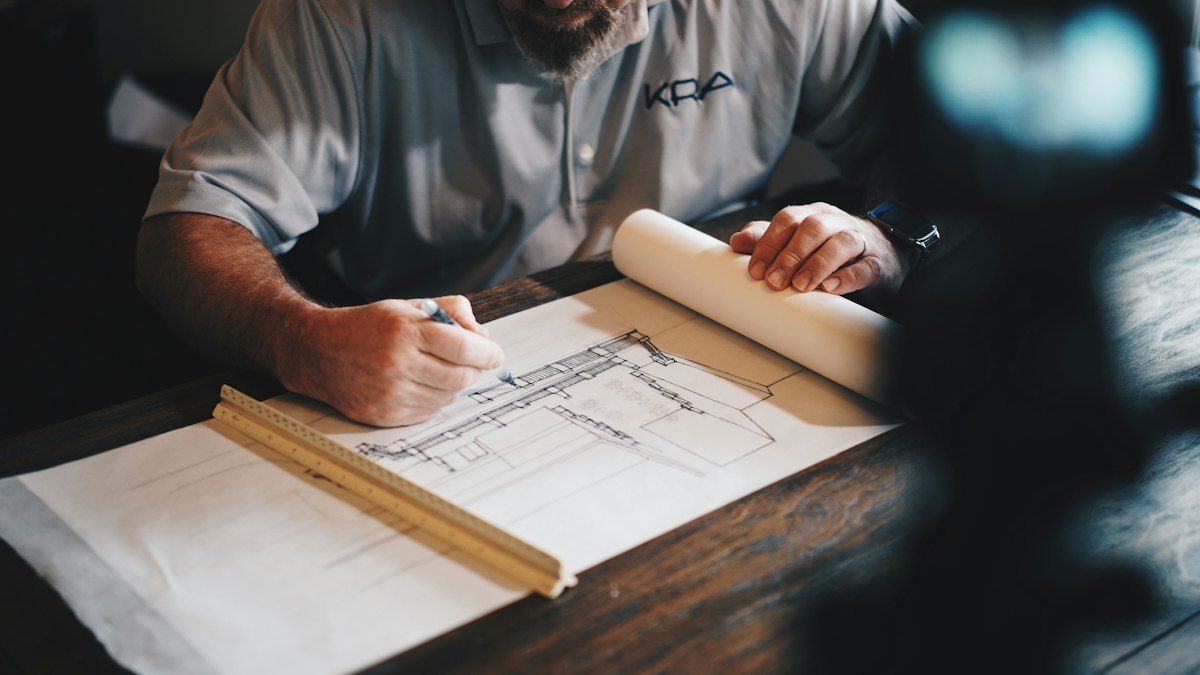
1. Begin with purpose
Describe the facility’s intended use, production or storage requirements, staff movement, equipment access and operating hours. These details give the project team a practical starting point.
2. Gather the starting information
Collect existing drawings, photographs and available site information. Note known constraints without assuming they are the full picture. A site review and specialist advice may be needed before design or construction decisions are made.
3. Set priorities, not just preferences
Reference images are useful, but explain what you like about them. Natural light, durable materials or flexible layouts are more actionable priorities than a broad style label.
4. Discuss scope and responsibilities
Agree what each team member is expected to prepare. Clarify the required drawings, coordination, approvals and review stages so that the brief becomes a practical basis for work.
5. Allow room for informed decisions
A programme should include time to review information, compare options and resolve questions. Changes are easier to assess when the team understands the original goals and constraints.
Learn more about our Industrial Infrastructure & EPC Works service, read What to settle before a warehouse fit-out begins or talk to our team about your project.
A useful next step
Write down your project’s purpose, what you already know and the questions that still need an answer. Use those notes to guide the first discussion with your project team.
Discuss your project →